
 ChatGPT
  Gemini
  Perplexity
  Claude
  Grok
Grok 

Gain insights from 30+ sustainability leaders, including superstars like Paul Polman, former CEO of Unilever, and Helena Helmersson, former CEO of H&M Group. Learn how to build a sustained advantage through responsible business practices.
3rd April 2026
ESG Communications: How to Build a Defensible Sustainability Narrative
Read summarized version with:
ESG communications require an intentional shift from data disclosure to verified, multi-channel storytelling. By grounding sustainability messaging with standardized metrics and third-party ratings, you bridge the trust gap with investors, customers and internal teams.
Despite fluctuating sustainability regulations, ESG remains at the forefront of global trade and enterprise value. Many organizations are making progress toward sustainability goals, yet struggle to credibly communicate their achievements to the public.
This gap creates a significant barrier to building trust and securing investment. Data from a 2025 PwC survey highlights the high stakes for transparency, with 78% of investors reporting that sustainability metrics directly improve their interest and confidence in a company. In other words, organizations that embed sustainability into their core models and provide verified data can successfully differentiate themselves in a crowded market. Mastering your ESG communications strategy allows you to transform internal data into a powerful narrative that protects your brand and drives growth.
Key Takeaways
|
What is ESG Communication?
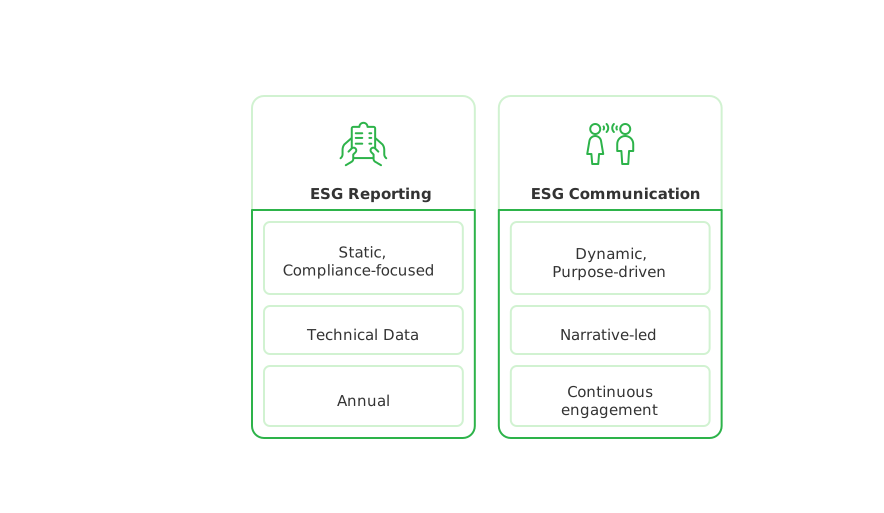
ESG communication describes how an organization presents information on their environmental, social and governance impacts. To understand ESG communications, you must first distinguish it from ESG reporting.
Reporting is the technical process of gathering data to meet regulatory or investor requirements. It is often static and focused on compliance. Communication, on the other hand, is the narrative you build from that data to reach your audience. It transforms raw numbers into a meaningful story of progress and purpose.
This narrative bridge is critical because stakeholders expect more than a periodic update in an annual sustainability report. Today’s partners and customers want to see your commitments in action through regular interactions and multiple digital channels. Achieving this level of visibility requires a standardized framework to prevent confusion or skepticism. By using a shared vocabulary and consistent terminology, you can establish a reliable reputation and reinforce credibility with every audience you reach.
Why ESG Communications Matter for Modern Business
Strategic ESG communications serve as a critical tool for navigating a volatile global market. A recent sustainability reporting survey found that over half of business leaders faced increased pressure to share sustainability data last year. This pressure is largely driven by procurement teams who now require verified proof of sustainability to manage supply chain risks. Your ability to share metrics of upstream and downstream performance establishes you as a reliable link in the global economy and helps you hold your value chain partners accountable to sustainability standards.
In addition to sustainable procurement pressures, investors also rely on transparent communications to evaluate your risk and long-term value. Despite shifting political climates, 84% of investors believe companies should maintain or increase their investment in climate adaptation. Effective ESG communication protects your valuation by proving these investments are tied to specific, measurable outcomes.
Your employees and customers look for the same evidence. Sharing your corporate purpose and sustainability commitments helps you attract top talent who want to work for principled and forward-thinking organizations. It also satisfies customers who increasingly choose brands based on their social and environmental footprint. Ultimately, providing these metrics improves people’s perceptions of your brand.
4 Pillars of a High-Impact ESG Communication Strategy
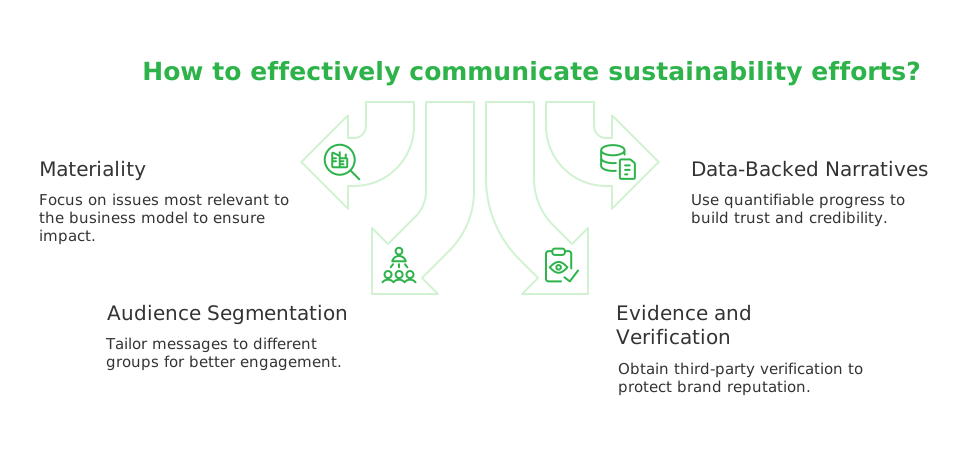
Building an effective ESG communication strategy requires more than publishing data. You should build your narrative around several core principles to ensure it reaches the right people and provides actual value. These four pillars set the stage for clear and credible messaging.
1. Materiality
You cannot realistically give equal weight to every ESG issue. Effective communication strategies prioritize the environmental, social and ethical topics most relevant to your specific business model. This focus ensures all messages address your stakeholders’ primary concerns, rather than overwhelming them with statistics that don’t resonate.
By narrowing your scope, you can also provide deeper insights into the areas where your company has the most influence. For example, a logistics firm would likely focus on carbon emissions and labor rights rather than water scarcity. This targeted approach transforms generic corporate sustainability jargon into high-value updates for your network.
2. Data-Backed Narratives
Vague ESG promises aren’t enough to build public trust. You have to root your story in quantifiable progress and measurable sustainability performance. Using hard data allows you to demonstrate actual improvement over time, moving beyond simple qualitative impact statements. This evidence-based approach is most effective when paired with a recognized benchmark to frame your success. For instance, EcoVadis Scorecards translate complex performance metrics into a standardized format that your partners can easily interpret and trust.
3. Audience Segmentation
Your audience’s needs should dictate the depth and format of your story. A procurement team vetting potential partners may require operational evidence within your assessment themes. Their objective is risk management and compliance. Conversely, your employees or social media followers care about the human impact and shared values behind your sustainability journey. Providing unique context for these audiences with targeted messaging prevents your narrative from being too technical for some or too vague for others.
4. Evidence and Verification
Accuracy is the foundation of a credible reputation. Moving away from self-declared claims toward third-party verified evidence protects your brand from public scrutiny and skepticism. Verification from an objective source makes your narrative defensible and reduces the risk of making misleading statements.
Incorporating tools like EcoVadis Ratings into your communication strategy provides the external validation needed to back up corporate claims and gives stakeholders confidence when advocating for your brand.
How to Build Your ESG Communication Plan
Establishing a clear strategy is only the first step toward effective communication. You must move from planning to execution for your efforts to yield results. Focus on these practical steps to build a credible and effective plan.
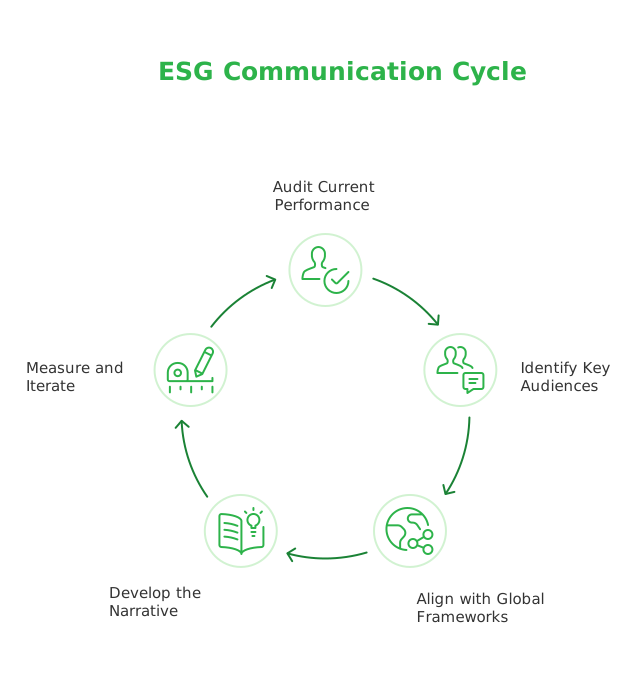
- Audit current performance: Begin with a baseline assessment to identify your current strengths and improvement opportunities. A baseline establishes a benchmark to track your growth over time and shows that you are honest about your progress and long-term success.
- Identify key audiences: Map the information needs of your customers, investors, employees and other stakeholders. Understanding what each group expects from ESG communication helps you prioritize which data points to lead with in your presentations or reports.
- Align with global frameworks: Ensure terminology and disclosures match recognized standards like the Sustainable Development Goals (SDGs), the Global Reporting Initiative (GRI) or the Sustainability Accounting Standards Board (SASB). Linking your actions to these global targets demonstrates that your local efforts contribute to a broader, collective solution for global sustainability.
- Develop the narrative: Use verified sustainability results to turn technical data into a dynamic story. Look for tools that provide a snapshot of your performance across key ESG themes and use these findings to connect operational data to a broader corporate mission.
- Measure and iterate: Use feedback loops and performance updates to refine your message as you grow. As you implement Corrective Action Plans (CAPs), share updates to demonstrate your commitment to continuous, proactive improvement.
Improve ESG Communications with EcoVadis
Your ability to communicate a credible ESG narrative depends on the quality of your underlying data. The EcoVadis Sustainability Intelligence Platform provides the verified insights you need to turn technical performance into a clear brand story.
- Drive transparency with verified ratings: Use analyst-validated EcoVadis Ratings to define performance benchmarks and back up sustainability claims with credible evidence.
- Align with global standards: Leverage a platform that supports over 500 standards, including the Sustainable Development Goals.
- Showcase continuous growth: Share updates from Corrective Action Plans to demonstrate your commitment to ongoing improvements.
Strategic ESG communication transforms internal metrics into a narrative of sustainable leadership and resilience. Grounding your story in verified data replaces vague promises with the transparency required to build a lasting reputation in today’s competitive global market.
EcoVadis provides the tools you need to track and report metrics to support your organization’s ESG progress. Integrating analyst-validated ratings into your communication strategy provides a defensible public narrative, ensuring every public disclosure is rooted in fact.
In Conclusion
Mastering ESG communication requires transforming technical reports into dynamic narratives that resonate with specific stakeholder needs. Grounding public claims in third-party-validated data helps ensure that corporate stories remain defensible and transparent under global scrutiny. Prioritizing material issues and aligning performance with recognized standards replaces vague promises with a verifiable record of sustainable leadership. An evidence-based strategy builds long-term trust and a competitive advantage in a demanding global market.
FAQs
Q: What are the most common mistakes in ESG communications?
A: Common mistakes include using vague, qualitative language like “eco-friendly” or “sustainable” without quantifiable data to back up claims. Organizations often fail by communicating only once a year in a static report, thereby missing the opportunity for continuous dialogue with their audience. Other errors include neglecting to tailor the technical depth of the message to specific audiences or failing to address the material issues most relevant to their industry.
Q: Why is third-party verification important for ESG claims?
A: Third-party verification provides objective proof that helps protect an organization from public scrutiny and greenwashing claims. It ensures that sustainability narratives are defensible and significantly reduces the risk of making misleading or inaccurate statements. Independent validation also gives investors and procurement teams confidence in a company’s performance claims.
Q: How should sustainability narratives align with global reporting standards?
A: Aligning your narrative with global standards means using standardized terminology and disclosure requirements set by recognized frameworks like the Sustainable Development Goals (SDGs), GRI, or SASB. This alignment helps ensure your ESG communications are consistent and recognizable to international partners. Directly linking local efforts to global targets further demonstrates that your actions contribute to a broader, collective solution for global sustainability.

Ashley Raleigh is a supply chain professional with 10 years of experience across freight operations, logistics technology, and sustainability. Her work focuses on the evolving role of technology, strategy, and responsible practices in modern supply chains.