
 ChatGPT
  Gemini
  Perplexity
  Claude
  Grok
Grok 

Gain insights from 30+ sustainability leaders, including superstars like Paul Polman, former CEO of Unilever, and Helena Helmersson, former CEO of H&M Group. Learn how to build a sustained advantage through responsible business practices.
16th April 2026
ESG Consulting: Bridging the Gap from Data to Sustainability Performance
Read summarized version with:
A sustainability report serves as a benchmark for corporate and supply chain performance, but unfortunately, metrics alone don’t lead to progress. Many organizations find themselves with a wealth of data but no clear path for moving forward and improving. ESG consulting fills this void by providing the expertise to turn data into action. This advisory goes beyond simple compliance to address the specific operational gaps that prevent a company from reaching its full sustainability potential. This article explores how advisory guidance helps transform raw data points into a resilient, high-performing value chain.
Key Takeaways
|
What is ESG Consulting?
ESG consulting is a specialized advisory service that helps companies manage environmental, social and governance risks while identifying opportunities for growth. When it comes to supply chains, an ESG consultant aims to align corporate goals with the realities of their supplier networks. In a global market increasingly focused on sustainability, more organizations view this consultant role as a necessary operational requirement to move their internal initiatives forward.
It should be no surprise that the ESG and sustainability consulting market is forecasted to grow to over $48 billion by 2028, at a CAGR of 27%. This rapid growth reflects a tightening regulatory environment where frameworks like the Corporate Sustainability Reporting Directive (CSRD) mandate transparent, third-party-verified data on global environmental impacts. Partnering with a reliable ESG advisory firm helps ensure these disclosures are accurate and compliant. By evaluating internal processes and external value chain risks, consultants help businesses effectively navigate the complexities of global expectations.
Components of ESG Consulting
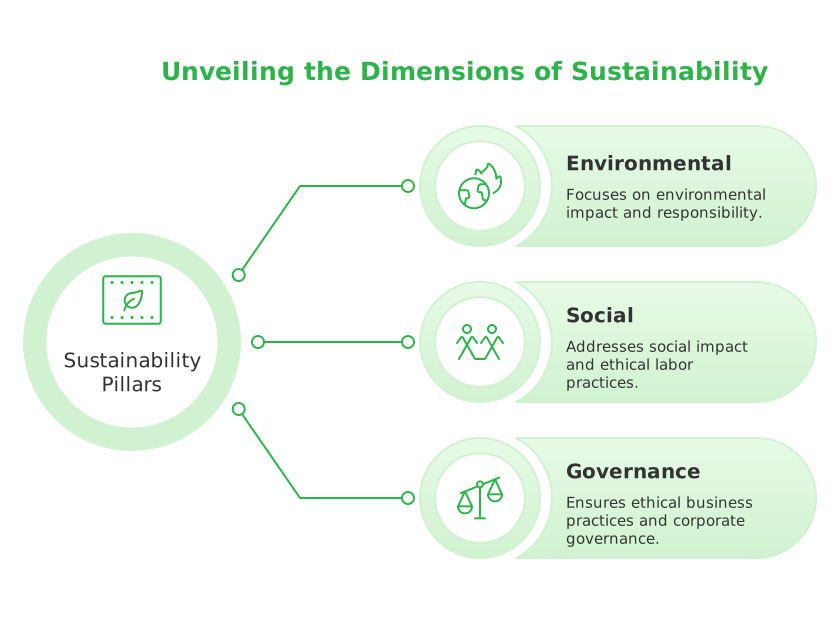
Consultants typically break down their ESG advisory services into three pillars to address multiple layers of corporate responsibility:
- Environmental: Carbon accounting, Scope 3 emissions, energy efficiency and water stewardship. This includes developing decarbonization roadmaps and waste management systems that meet international environmental standards.
- Social: Labor practices, modern slavery prevention, employee health, and safety and diversity. Consultants help draft human rights policies and ensure that suppliers maintain ethical recruitment and fair wage standards.
- Governance: Board oversight, executive compensation, business ethics and audit trails. Consultants ensure that a company has the internal structures to prevent corruption and maintain transparent reporting.
The Roles and Responsibilities of an ESG Consultant
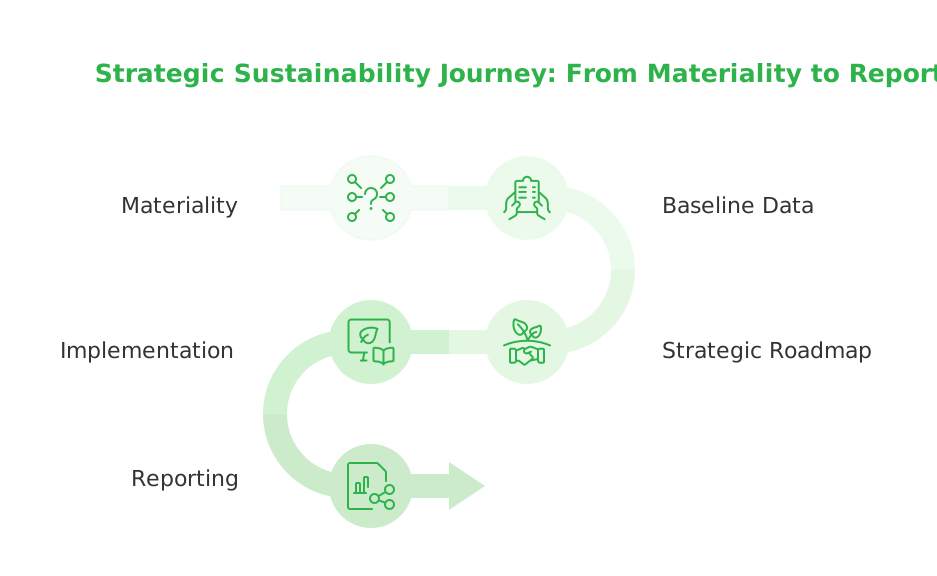
An ESG consultant helps bridge high-level corporate strategy and the “boots on the ground” execution required for sustainability progress. Their role is not merely to advise, but to facilitate a structured ESG transformation. Most consulting engagements follow a sequence of steps to ensure that goals are achievable and measurable.
- Materiality Assessments: Consultants identify which environmental or social issues are most relevant to the business and its stakeholders. This prioritization ensures that resources are allocated to the areas with the highest risk and impact.
- Baseline Data Collection: Establishing a starting point is critical. Advisors gather information on current energy use, labor policies and ethical safeguards to create a clear picture of existing performance.
- Strategic Roadmap Development: Once a baseline is set, a consultant designs a plan with specific, time-bound targets. This roadmap outlines exactly how a company can move from its current state to its desired sustainability goals.
- Implementation Support: This is the most technical phase. Beyond updating policies or auditing sites, consultants lead employee training, help select specialized ESG software and manage direct outreach to global suppliers for primary data. They may also oversee decarbonization strategies or waste-reduction initiatives.
- Reporting and Disclosure: Advisors compile the resulting data into standardized reports. This ensures that the progress made is audit-ready and meets the requirements of investors and regulators.
Executing these specific roles ensures that sustainability goals translate into a corporate identity that is prepared for both internal growth and external scrutiny.
The Benefits of ESG Consulting for Supply Chain Sustainability
ESG consultants transform raw assessment data into tangible performance gains. While a sustainability rating or ESG report provides a snapshot of current standing, the real work starts after the analysis. These services provide several advantages that influence supply chain strategy.
- Risk Mitigation and Resilience: Advisors identify vulnerabilities like non-compliant labor practices or environmental hazards before they become legal liabilities. This strengthens supply chain resilience against climate and social disruptions.
- Commercial Advantage: Many major contracts require verified sustainability credentials. Consultants help provide the proof of performance needed to meet buyer ESG expectations and win competitive bids.
- Access to Sustainable Finance: Strong ESG scores can lead to better loan terms. Many lenders tie interest rates to measurable improvements, and advisors help gather the data to qualify.
- Cross-Functional Alignment: Professional ESG advisors help internal departments speak a common language. By translating metrics into business-critical KPIs, consultants align finance, legal and operations teams on long-term goals.
How ESG Consulting Services Drive Supplier Performance
ESG and sustainability consulting partners drives supplier performance by prioritizing high-risk areas identified through risk mapping. This screening process evaluates ESG risks across an organization’s supplier network based on industry and geography. Identifying critical hotspots allows consultants to move beyond high-level monitoring and focus on vendors that need immediate intervention.
Risk mapping results assist consultants in developing tailored corrective action plans for individual suppliers. Advisors provide the technical support needed to resolve identified gaps, like helping a vendor calculate a carbon footprint or drafting a formal human rights policy. Hands-on guidance replaces generic requests with specific tools that enable a supplier to meet international standards and make measurable progress. ESG advisory converts assessment results into performance milestones that build a more resilient value chain.
Summary: The Power of Data in ESG and Sustainability Consulting
Successful ESG consulting requires a combination of verifiable data and expert implementation. The data provided by the EcoVadis Sustainability Intelligence Suite enables enterprises and advisors to pinpoint specific vulnerabilities, develop strategic improvement plans and track supplier performance over time. Bridging the gap between assessment and action helps businesses build a supply chain that meets both regulatory mandates and investor expectations.
Ready to learn more about how the EcoVadis platform supports your sustainability goals? Reach out to our team for a consultation.

Ashley Raleigh is a supply chain professional with 10 years of experience across freight operations, logistics technology, and sustainability. Her work focuses on the evolving role of technology, strategy, and responsible practices in modern supply chains.