Skip to content
HelpRequest a Demo
EcoVadis Carbon Data
Reliability Levels™

The Market Standard for Supply-Chain Carbon Data Confidence

Users Love Us by G2 Momentum Leader by G2 Easiest To Do Business With by G2 Leader by G2
Main content
Want the full methodology?

Closing the transparency gap

Carbon accounting is only as valuable as the data behind it. Spend-based estimates offer a starting point for Scope 3 management, but they often obscure the specific risks and opportunities within a supply chain. As AI-powered carbon tools scale across procurement, unreliable supplier data is no longer a background concern. It undermines the outputs those tools produce. A critical question has moved to the foreground: how can organisations trust the reliability of supplier-reported GHG emissions?


EcoVadis Carbon Data Reliability Levels™ (DRL)

DRL provide the missing link: a standardized, tiered signal that clarifies how trustworthy a supplier’s reported GHG figures actually are. Integrated within the Carbon Action Manager, DRL transforms raw data into a clear map of which metrics your team can act on today.

How it works: The 3 Gates of Data Reliability

Every supplier GHG metric is assessed through three sequential checks:

Evidence (The Integrity Filter)
Submitted figures are verified against supporting documentation such as a CDP or CSR report.

Rigor (The Methodology Check)
Accounting practices are assessed (GHG Protocol alignment, third-party verification status).

Plausibility (The Reality Check)
Figures are compared against industry benchmarks to flag statistical anomalies.

Expertise and intelligence, combined

The Carbon Data Reliability Level is built on a foundation of rigorous evidence and continuous visibility.

During the EcoVadis assessment

Our team of 500+ analysts evaluates reported metrics against verified documentation to establish a baseline of reliability

In between assessments

Our domain-specific AI updates these levels instantly as your suppliers share new metrics.

This combination

of human + AI

Ensures your Scope 3 data reflects the most current evidence available, providing a consistent signal for progress.

Four levels. One clear signal.

What it means
Third-Party Verified
Externally verified by an independent auditor
High
Validated, GHG Protocol-aligned
Medium
Partial adherence to best practices
Low
Insufficient evidence or fails statistical checks

Note: EcoVadis identifies data that has been third-party verified; we do not act as the independent auditor.
From visibility to action: The CAM connection

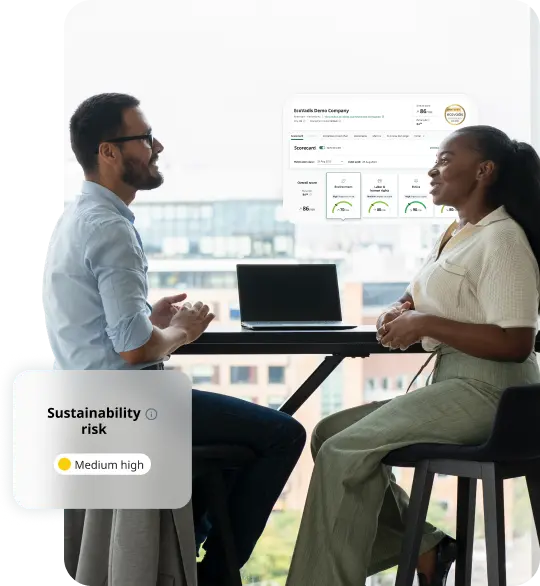
Reliability is more than a score; it is a signal for how to use the Carbon Action Manager (CAM) to drive progress. When these tools work together, data quality becomes the foundation for your strategy:

Build a precise inventory

Use High and Third-Party Verified data to replace industry averages in your Scope 3 calculations.

Target your engagement

Within CAM, move beyond vague requests. Use DRL signals to identify which suppliers require specific support.

Verified reporting

Instantly identify the supplier-provided metrics that are ready for public disclosure and regulatory scrutiny.

For suppliers: no extra work

Proving your data quality shouldn’t feel like a second job. We’ve designed the Data Reliability Level process to integrate with the work you’re already doing.

  • Use what you already have:
    Simply share the evidence you already produce, such as sustainability reports or GHG inventories, and upload them into our platform when inputting or updating your metrics.
  • Instant insights:
    In between formal assessments, our AI will automatically extract data from your reports, updating your Reliability Levels instantly to reflect your most current progress.
  • A clear signal of reliability:
    If the data indicates a Low or Medium Reliability Level, your scorecard will highlight the specific evidence gaps identified during the assessment with insight-driven recommendations for improving data quality over time.

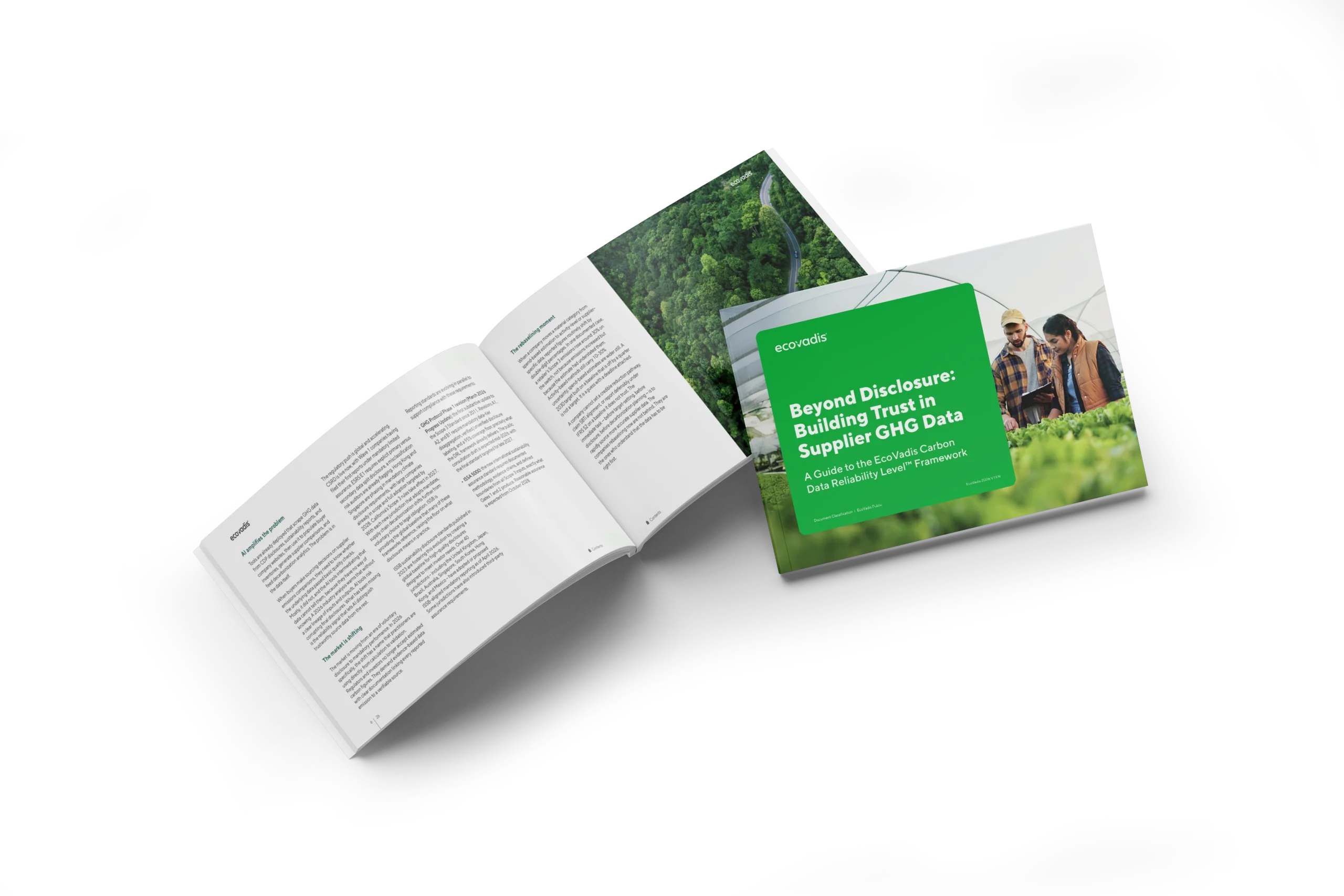
Technical whitepaper: The methodology behind the Carbon Data Reliability Levels

A complete technical guide for sustainability and procurement teams who want to understand exactly how Data Reliability Levels are assigned.

Authored by:
Dexter Galvin, SVP Climate and Climate Ambassador,
Quentin Fornezzo, Carbon Methodology and Research Manager

What’s inside:

  • Why Scope 3 is primary data is at an inflection point, and why estimates are no longer enough
  • A gate-by-gate breakdown of how each check works and what it catches
  • How DRLs align with the GHG Protocol standards and evolving regulatory landscape
  • What’s next for data reliability in supply chain carbon accounting
Ready to get started?

I am interested in assessing: